
Municipal Broadcast Production

A broadcast professional
in the Chambers.

Cities using Granicus or similar civic engagement platforms still need dependable production in the room. Primestar provides industry-trained professionals to prepare the chambers, troubleshoot equipment onsite, coordinate with service providers, and direct a polished, multi-camera municipal program.

Peace of mind

A trained broadcast team owns the room and the show.

Reduced IT overtime

Meeting-night production no longer falls on municipal IT staff.

Television-ready results

A polished program built for modern public viewing.

Onsite responsibility

Prepared before the meeting. Present when it matters.

Remote support can only see what reaches the network. Primestar technicians are physically present to inspect the chambers, hear the problem, trace the signal, communicate with every vendor, and keep the production moving.

Our onsite role is larger than operating a switcher. We take responsibility for the technical preparation, live production, troubleshooting, and coordination required to move a public meeting from the room to every destination watching it.

The number and roles of technicians scale with the production. A routine council meeting, a complex hybrid session, and a major civic broadcast do not require the same crew—and Primestar does not treat them as if they do.

Municipal broadcast workflow

From the chambers to every screen.

  1. 01

    Chambers

    • Onsite Recording
  2. 02

    Cloud

    • Closed Captioning
    • Recording
  3. 03

    Broadcast

    • Social Media Apps
    • Website
    • OTT
    • Linear Television
  4. 04

    Watch Live

    • Home Television
    • Mobile devices
  5. 05

    Video on Demand

    • Home Television
    • Mobile devices
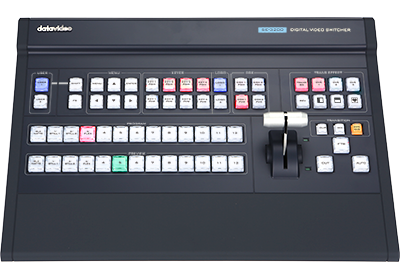
Datavideo SE-3200 professional video switcher used for municipal multi-camera production
01Prepare the production

Every signal is checked before it becomes public record.

Onsite production begins well before the meeting is called to order. Primestar schedules the technicians the production requires and provides enough lead time to power up, inspect, test, and prepare the complete system for air.

The team verifies cameras, microphones, presentation sources, confidence monitors, graphics, captioning paths, recording, and streaming destinations as one connected signal chain. Shot presets and show elements are prepared before the public enters the room.

  • Confirm every camera, source, return monitor, encoder, and destination
  • Load and verify graphics, speaker identifiers, presentations, and playback
  • Run a complete pre-air test instead of discovering issues during the meeting
  • Confirm wireless microphones and presentation clickers are fully charged and ready for use
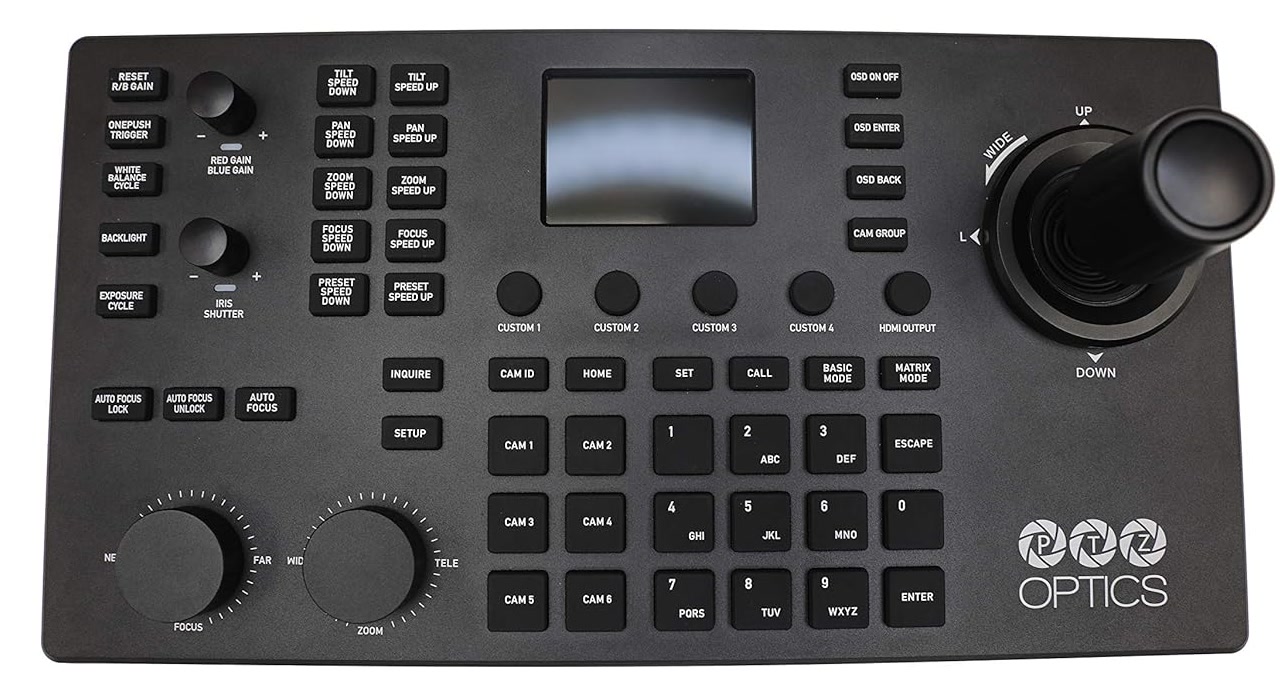
PTZOptics SuperJoy camera controller used to operate municipal chamber cameras
02Operate the chambers

Camera direction follows the conversation—not a fixed wide shot.

During the meeting, Primestar technicians operate the multi-camera production in real time. They frame the active speaker, recall prepared PTZ positions, follow public comment, include chamber context, and choose the shot that best explains what is happening.

That active direction creates a clear visual record for residents watching on televisions, phones, municipal websites, cable channels, and social platforms. The result is a current, intentional television program rather than a distant, unattended room view.

  • Direct dais, lectern, audience, presentation, and wide chamber views
  • Manage smooth camera moves and shot changes without distracting viewers
  • Coordinate remote guests, presentation playback, and meeting transitions
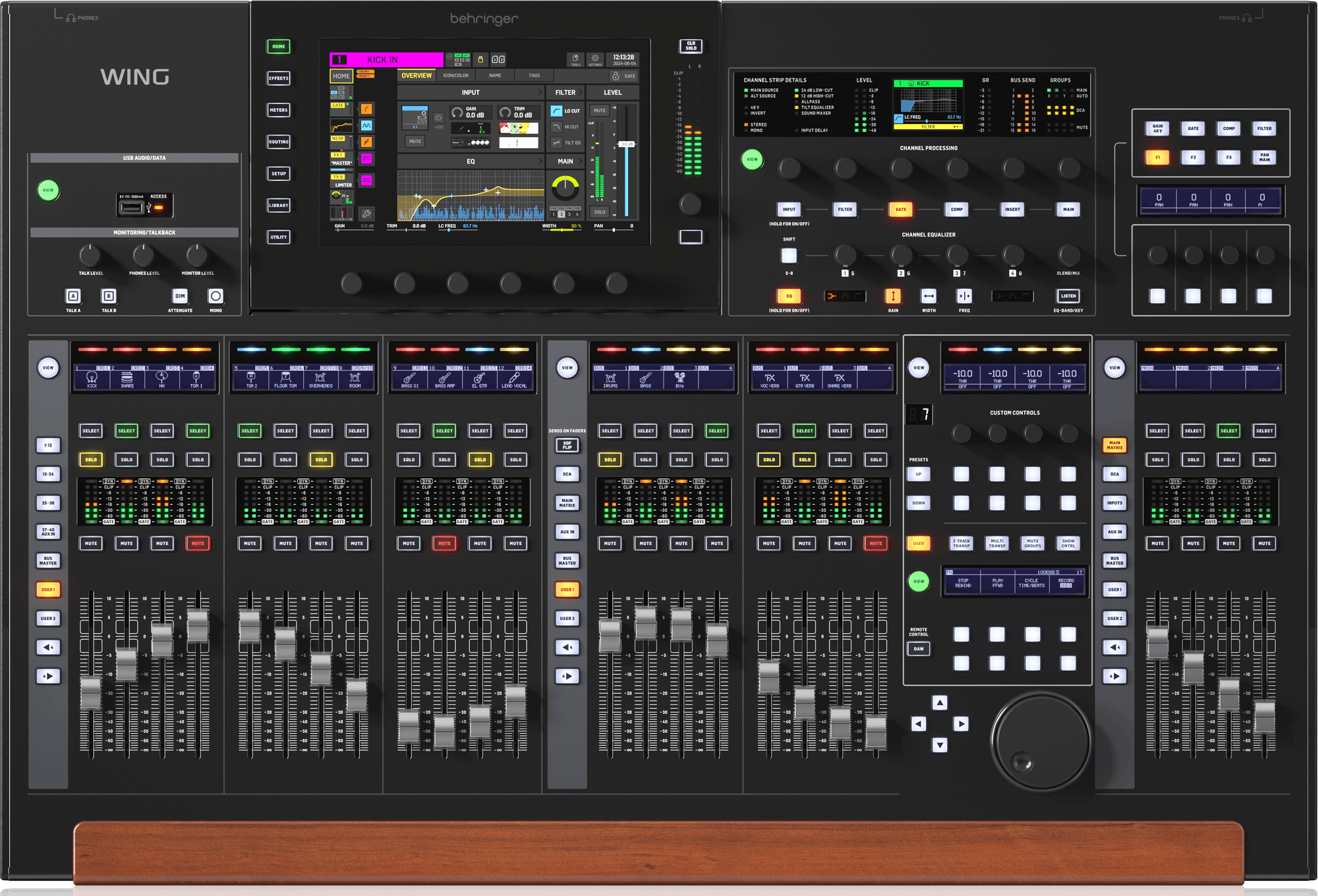
Behringer WING professional audio console used for municipal broadcast mixing
03Protect the sound and the show

Technical problems are handled at the source, in the room.

An onsite technician can hear the room, inspect the hardware, trace a cable, test a microphone, verify routing, and compare the chamber sound with the outgoing broadcast mix. That physical access shortens the distance between a problem and its solution.

When an issue involves a remote platform, network path, captioning provider, encoder, or other service vendor, Primestar becomes the technical point of contact in the chambers. Our team can explain what is happening in broadcast terms, work through the fault with the remote vendor, and keep municipal staff focused on the meeting.

  • Mix council microphones, public comment, presentations, and remote participants
  • Troubleshoot malfunctioning equipment, routing, connectivity, and signal loss
  • Continue monitoring the live program, recording, and distribution through adjournment
What onsite presence changes

Municipal staff can stay focused on public business.

Production preparation is owned by a broadcast team—not added to a clerk or IT checklist.
Equipment faults can be inspected and addressed where the equipment is installed.
Remote vendors have a technical production contact physically present in the chambers.
Residents receive a polished, multi-camera television program instead of an unattended room feed.
Onsite coverage

Put a trained broadcast team in the chambers.

Plan onsite production